Skip to content

Modular Design in Audio Technology

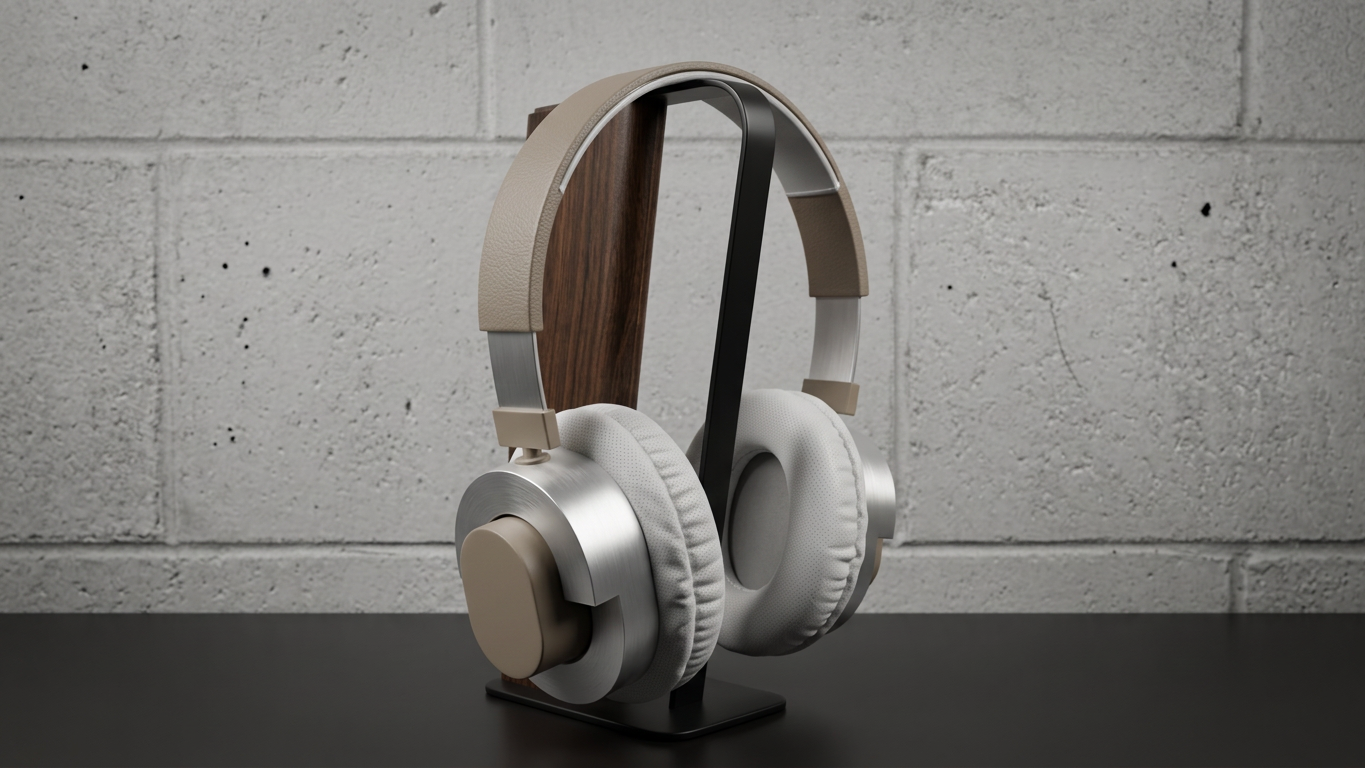
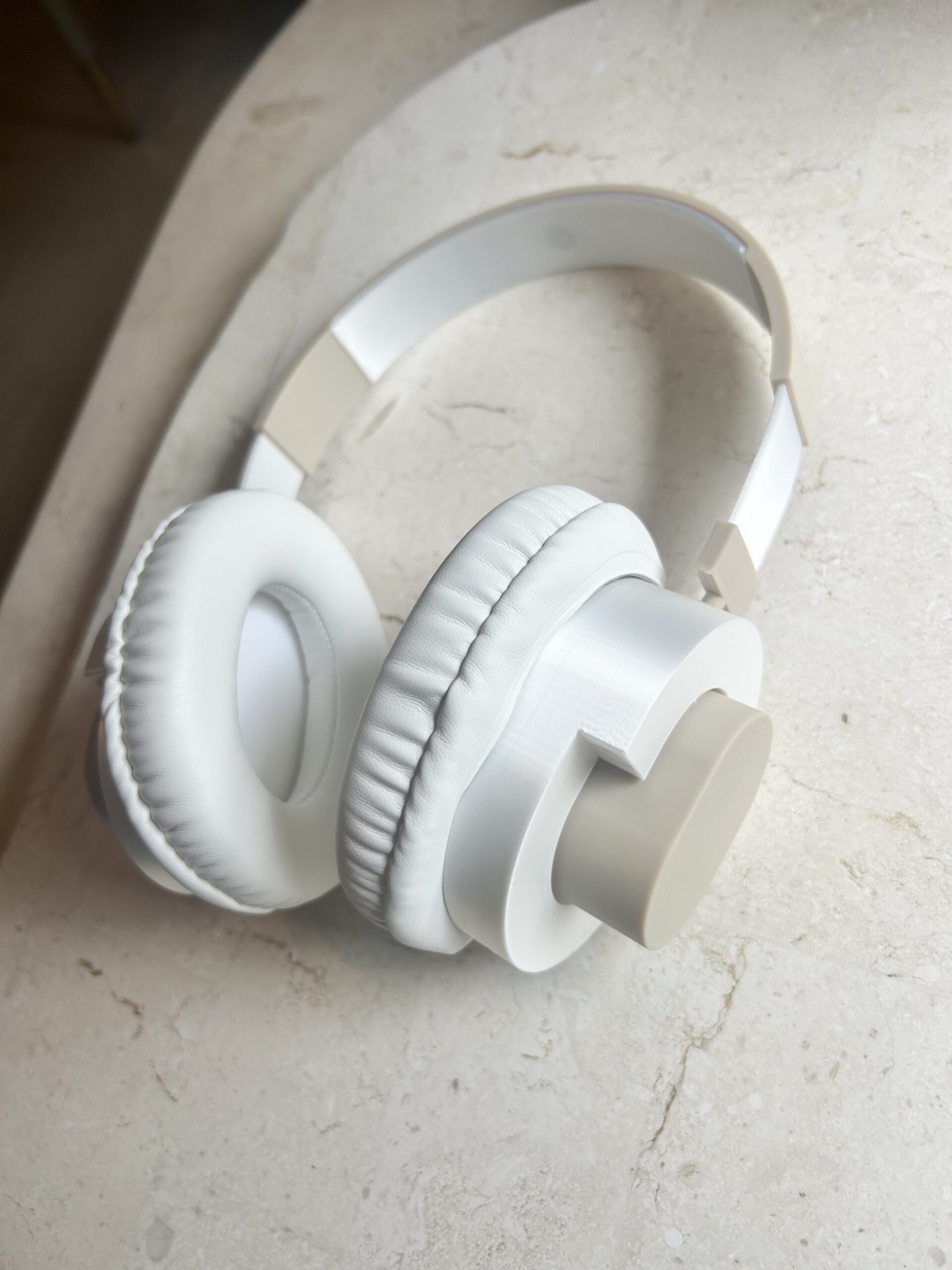
Research and concept development for modular over-ear headphones

design innovation through experimentation with leading industrial design software

Exploring applications of modular design in over ear headphones with a view to extend the product lifecycle & reduce climate impact

Sira B.

Masters of Industrial Design

0 %
Of Headphones Climate Impact Comes from Intensive Production & Manufacturing

The majority of models are discarded of within several years of use

0 %
E-waste is rising by 2.6 million tonnes annually, set to rise 33% by 2030

The world’s generation of electronic waste is rising five times faster than e-waste recycling initiatives. 

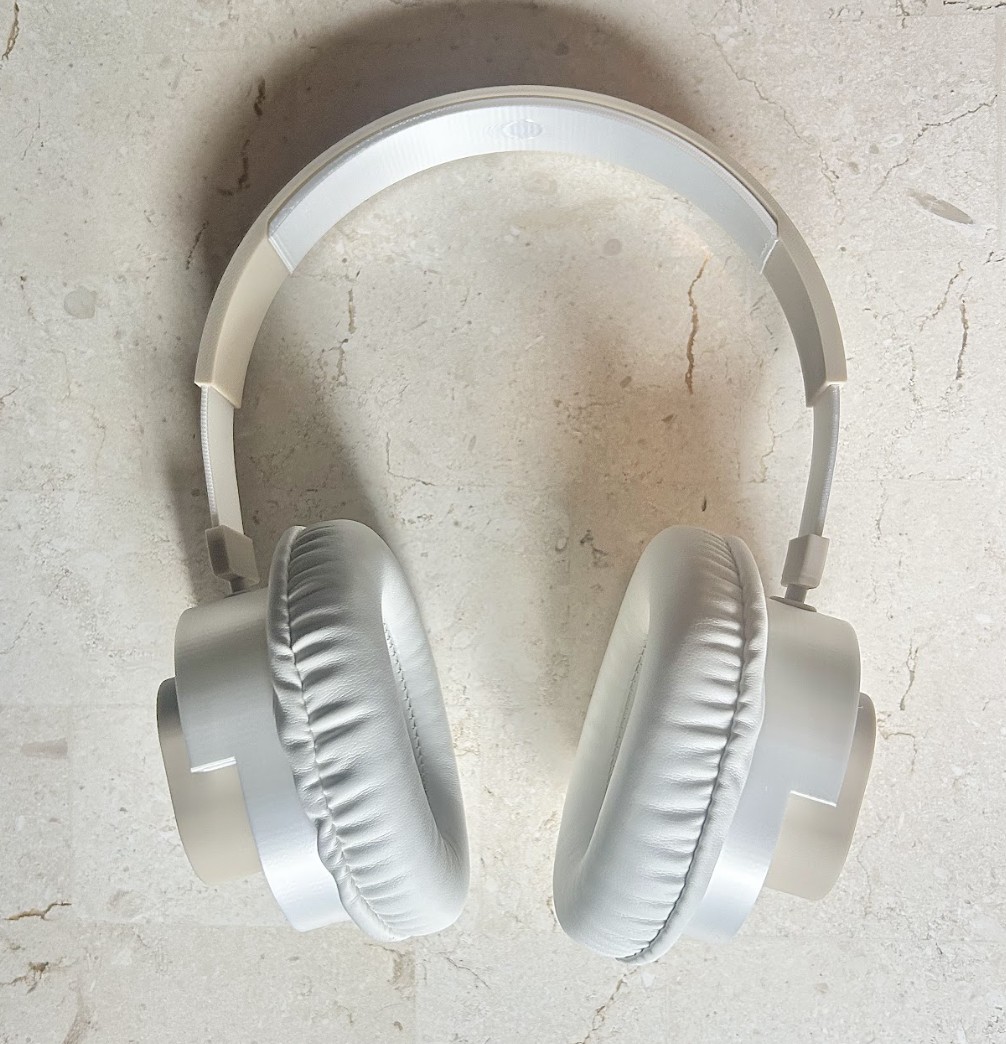
Early Stage Prototype

Modularity offers a pathway towards repairable, long-life products, shifting away from disposable electronics

Concept Development Highlights

Ergonomics

Comfort, adjustability and materials selection for ear cushions and headband padding

Electronics Housing

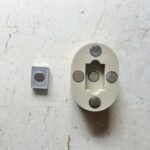
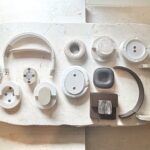
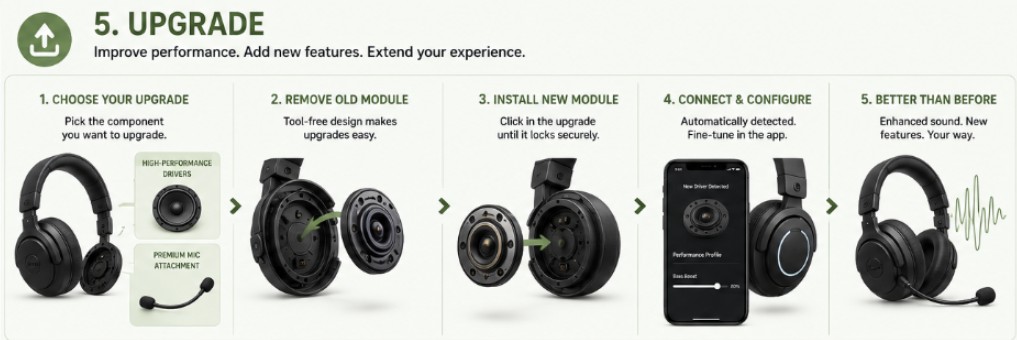
Electronics housing units are detachable from the model, enabling replacement and upgrades

Customisation

Colours, texures, finishes

1
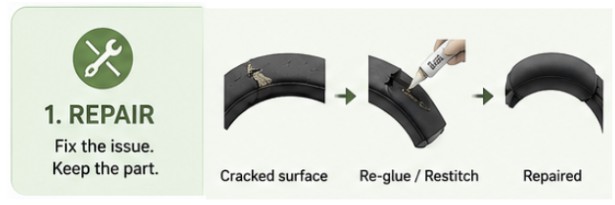
Repair
Repair
2
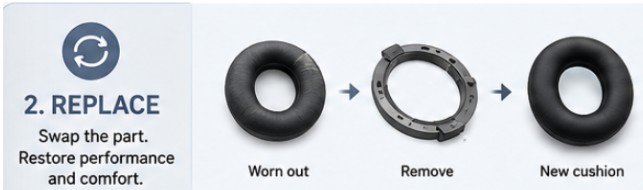
Replace
replace
3
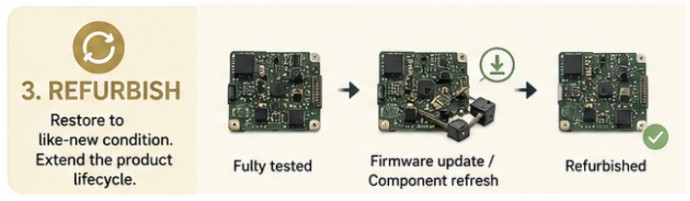
Refurbish
refurbish
4
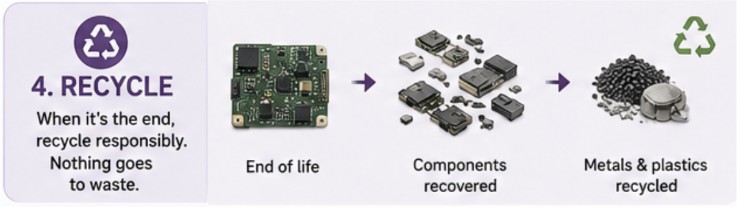
Recycle
recycle
5
Upgrade
upgrade
6
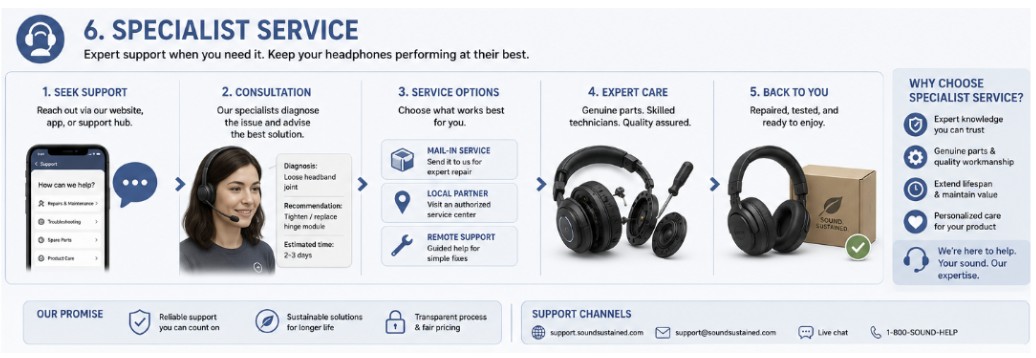
Specialist Service

Design Process

masters project

Stage 1

Concept Development, Competitor Benchmarking, Product Teardowns

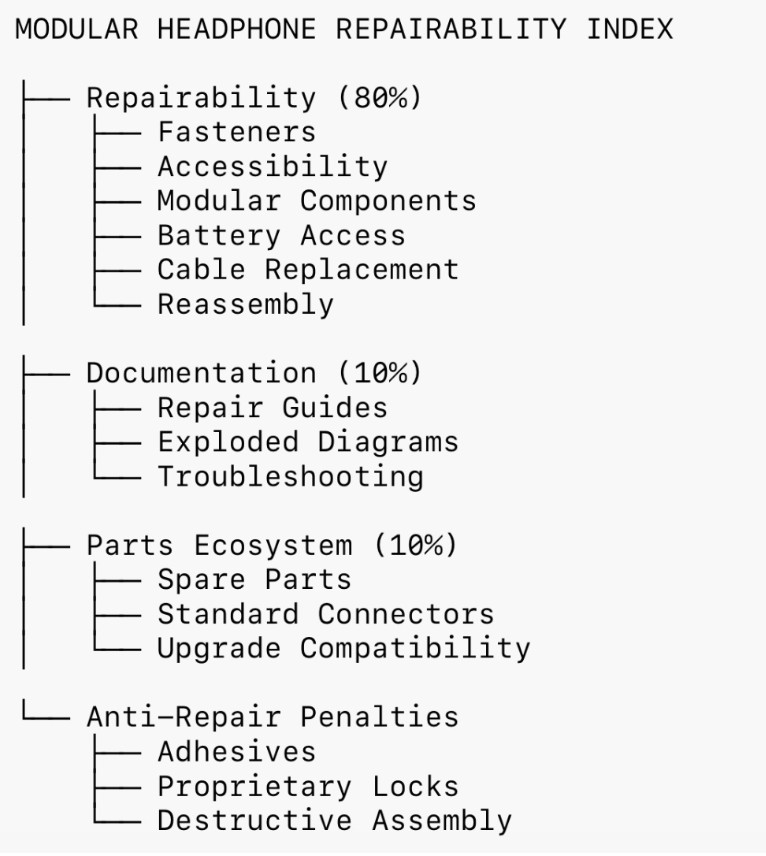
Modular Design Assessment

A rubric to assess future concept development

design index

Project Insights

  • High acoustic performance.
  • Comfort during prolonged use.
  • Durable materials and construction.
  • Reliable modular connections.
  • Easy maintenance and repair.
  • Opportunities for personalisation.
  • Long-term ownership experiences.
  • User participation in upgrades and repairs.
  • Product narratives supporting sustainability and responsibility.
  • Visible indicators of repairability and sustainability.
  • Customisable aesthetics reflecting personal identity.
  • Community participation through repair and modification cultures.
  • Modular systems that encourage experimentation.
  • User-configurable component ecosystems.
  • Opportunities for co-design and personal expression.
  • Replaceable high-failure components.
  • Upgrade pathways that prevent premature obsolescence.
  • Reduced material waste through component replacement rather than full product replacement.

Explore Concept Development

Project Log Development